When the cabling is finished, the ceiling tiles go back and the cabinets get closed. From then on, the handover pack is the only record of what was installed, where it goes and whether it works. A good one saves hours every time someone moves a desk or chases a fault. A bad one, or none at all, means starting from scratch.
The six things it should contain
- Test reports for every link. Straight from the tester, in its own format, with a pass or fail for each one. On our jobs, these are Fluke reports.
- Marked-up drawings. The floor plans showing exactly where each outlet and cabinet ended up, including any changes made on site.
- A label schedule. A list of every cable label, matching the drawings and the labels you can see on site.
- A written report. A short summary: what was installed, how many links were tested and the results, in plain English.
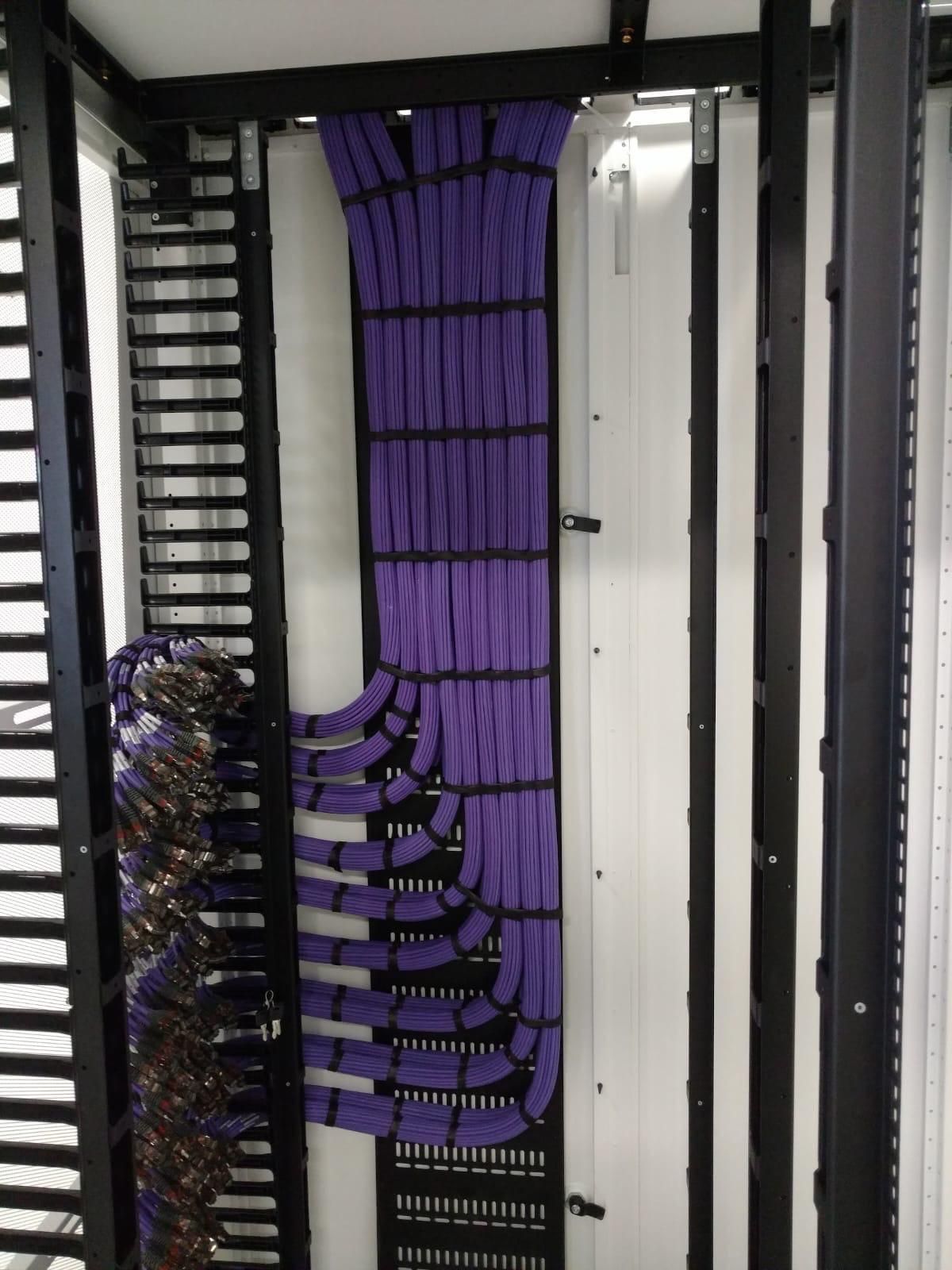
- Photos. Cabinets, panels, containment and anything that will be hidden once the job is closed up.
- Anything of note. Snags, changes agreed on site, and recommendations for the future.
The golden rule: everything matches
The labels on site match the label schedule. The schedule matches the drawings. The test results match the labels. If any one of those does not line up, the pack cannot be trusted. That is why we plan the labelling before the first cable is pulled, and why our reconciliation app checks every test result against the schedule before we hand over.
Quick check: pick three outlets at random. Can you find each one on the drawing, in the label schedule and in the test results? If yes, you have a good pack.
Want to see how ready yours is?
Try the handover readiness check on our home page. It takes 30 seconds and nothing is sent anywhere.